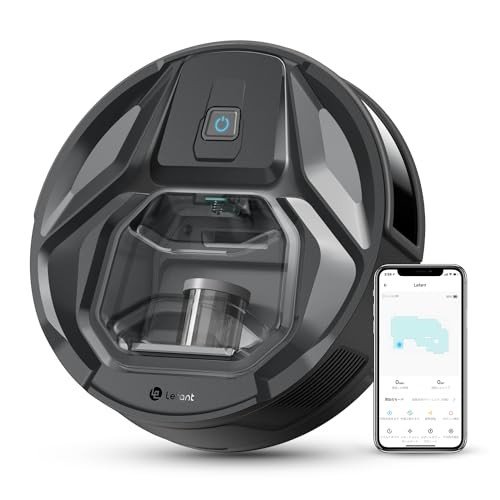
Revolutionizing Home Maintenance: The Rise of Cleaning Robots
In an age where technology continues to influence daily life, cleaning robots have actually emerged as a substantial innovation in the field of domestic cleaning. These autonomously working machines have redefined how families manage cleaning tasks, providing benefit and performance. With their ability to browse spaces, avoid obstacles, and operate on pre-set schedules, cleaning robots are ending up being necessary tools for homeowners wanting to enhance both their time and their living environment.
The Evolution of Cleaning Robots
Cleaning robots have gone through a significant improvement given that their beginning. What started as fundamental machines has actually progressed into sophisticated gadgets equipped with innovative functions. Below is a table highlighting some crucial turning points in the development of cleaning robots.
| Year | Turning point | Description |
|---|---|---|
| 1996 | First Commercial Robot | The first robotic vacuum, Electrolux's Trilobite, was presented. |
| 2002 | Roomba Launch | iRobot launched the Roomba, making robotic vacuum popular. |
| 2004 | Mapping Technology Introduced | iRobot introduced smarter navigation abilities, permitting better cleaning paths. |
| 2012 | Mobile phone Integration | The introduction of mobile app control permitted users to control robots remotely. |
| 2020 | Advanced Sensors & & AI | Robots began using AI for improved mapping and object acknowledgment. |
Types of Cleaning Robots
As innovation has actually advanced, numerous types of cleaning robots have emerged, each developed to cater to various cleaning needs. A few of these include:
Robotic Vacuums
- Developed to autonomously vacuum floorings, they frequently feature sensors to browse around rooms and return to their charging stations.
Robotic Mops
- These robots are equipped with mopping performance, making use of water or cleaning services to scrub floorings.
Window Cleaning Robots
- Particularly engineered for window cleaning, these gadgets can climb vertical surfaces utilizing suction or magnetic systems.
Pool Cleaning Robots
- Developed for in-ground swimming pools, these robots gather particles and even scrub the walls of the swimming pool effectively.
Multi-tasking Robots
- Some modern-day cleaning robots integrate vacuuming and mopping capabilities, providing flexible cleaning services.
How Cleaning Robots Work
The core functionality of cleaning robots is focused around their capability to navigate homes autonomously while carrying out cleaning tasks. Here's a breakdown of the fundamental elements that enable them to perform efficiently:
- Sensors: Most cleaning robots are equipped with sensing units that help them find obstacles, slopes, and edges, preventing falls and collisions.
- Navigation Technology: Many robots use a mix of gyroscopes, accelerometers, and in some cases video cameras or LIDAR for navigation. This enables them to map their environment and tidy efficiently without missing out on areas.
- Power Sources: Most cleaning robots run on rechargeable batteries, with numerous efficient in returning to their charging docks when their power runs low.
- Cleaning Mechanisms: Whether through suction for vacuuming or turning brushes for mopping, cleaning robots include different systems tailored for reliable dirt elimination.
Advantages of Cleaning Robots
The incorporation of cleaning robots in homes presents numerous advantages:
- Time-Saving: Cleaning robots can operate on their own, allowing house owners to engage in other activities.
- Constant Cleaning: With scheduled cleaning times, these robots make sure consistent upkeep of the home.
- Hard-to-Reach Areas: Cleaning robots can access narrow areas and corners that traditional cleaning tools may deal with.
- Lowered Allergens: Regular cleaning assists decrease dust and irritants, adding to a healthier living environment.
Limitations of Cleaning Robots
In spite of their numerous advantages, cleaning robots likewise present certain limitations that users ought to consider:
- High Initial Cost: While the price of cleaning robots has actually decreased with time, some advanced designs can be relatively pricey.
- Irregular Performance: Not all robots perform equally; some may struggle with particular surfaces or dirt types, leading to unsatisfactory outcomes.
- Restricted Capacity: Many robotic vacuums have smaller sized dustbin capacities, needing more frequent emptying than conventional vacuum.
FAQs about Cleaning Robots
Q: Are cleaning robots worth the investment?A: Cleaning robots can be
a rewarding investment for those seeking time-saving services. They can significantly reduce the cleaning concern, particularly for busy homes. Top Rated Robot Vacuum : Can cleaning robots be programmed?A: Yes, numerous cleaning robots feature programmable schedules and modes, allowing users to set particular cleaning times and areas. Q: How do I keep my cleaning robot?A: Regular upkeep involves cleaning the brushes, clearing the dustbin, and occasionally looking for software updates. Q: Are cleaning robots reliable on all surfaces?A: Most robotic vacuums work on difficult floorings and low-pile carpets. Nevertheless, efficiency might
vary on thick carpets or particular types of carpets. Q: Do cleaning robots work well under furniture?A: Cleaning robots are created to fit under the majority of furniture; nevertheless, the effectiveness can depend upon the height of the furniture.
Cleaning robots represent a breakthrough in the realm of
domestic tasks, providing a mix of technology, convenience, and effectiveness. While they are not a total replacement for standard
cleaning approaches, they substantially improve housekeeping abilities. As developments continue, future models of these gadgets are anticipated to end up being even more intelligent, effective, and easy to use, more integrating into the smart homes of tomorrow. The modern-day property owner thus faces an amazing future where cleaning robots could take much of the drudgery out of home maintenance, permitting a cleaner living space with minimal effort.